Shift Happens: 2026 RMAPI Summit
What does it take to create a community where everyone has a real opportunity to thrive?
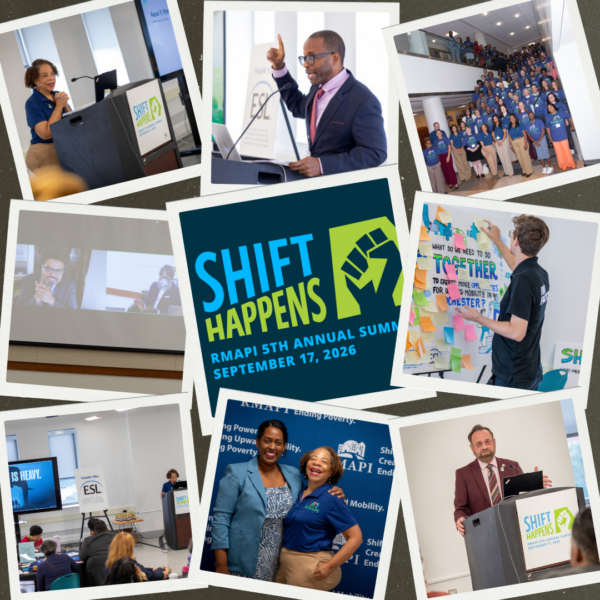
At the 2026 RMAPI Summit, Shift Happens, community leaders, residents, advocates, policymakers and partners came together to explore that question — and to consider what needs to change in the way we think, lead and design systems to expand upward mobility across Rochester and Monroe County.
Building on RMAPI’s decade of work and the momentum of No Turning Back, the Summit focused on a simple idea: progress requires more than doing things a little differently. It requires us to challenge assumptions, rethink systems and create new pathways to opportunity.
A major theme throughout the day was upward mobility — understanding economic opportunity as more than a measure of income or poverty. True mobility means having the resources, stability, connections and power to move forward, weather setbacks and build a better future.
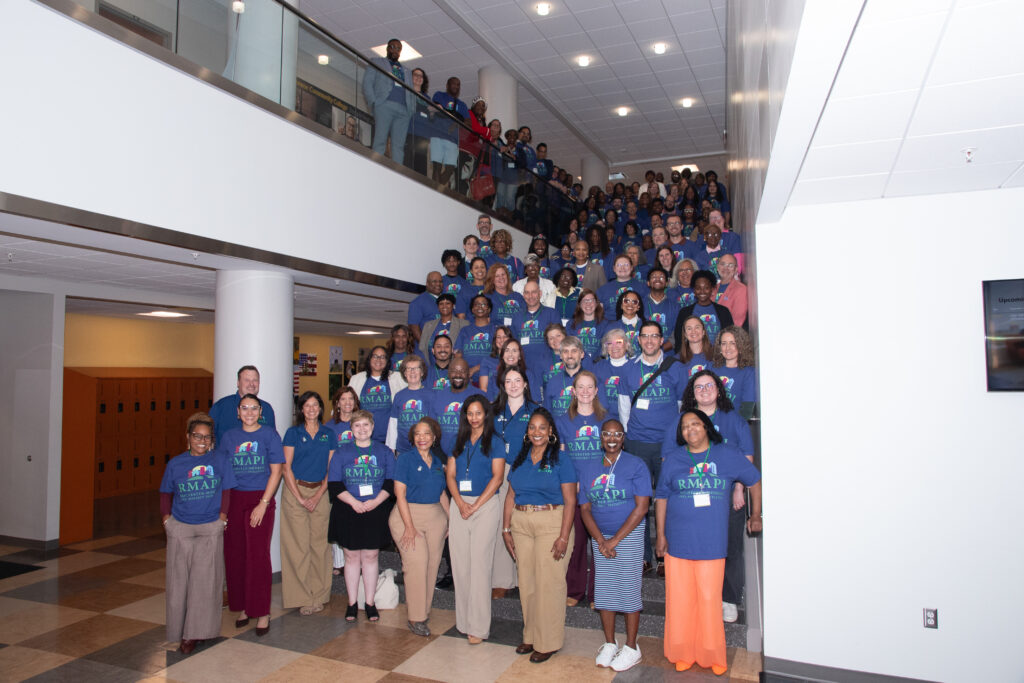
What Has to Shift? Building Wealth, Power & Possibility
Dr. Darrick Hamilton, Henry Cohen Professor of Economics and Urban Policy at The New School, brought that conversation into sharp focus during a live conversation moderated by Simeon Banister.
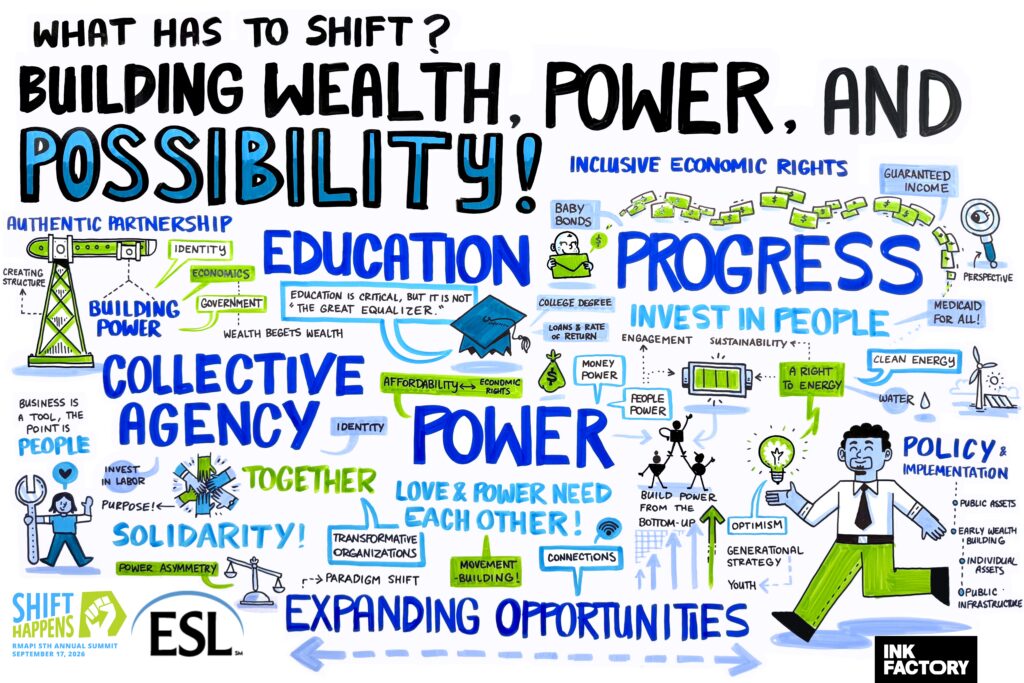
Hamilton challenged participants to think beyond income and employment and consider the role that wealth and assets play in determining economic security and opportunity across generations. His work on Baby Bonds and early wealth building offered a powerful framework for thinking about how public policy can help more people begin life with resources they can build upon.
The conversation reinforced an important part of RMAPI’s approach to upward mobility: if we want more families to have the opportunity to thrive, we have to think not only about what people earn, but what they are able to save, own, build and pass on.
The discussion sparked significant interest across the RMAPI collective in exploring early wealth-building strategies and how New York could support policies that create more opportunities for families to build assets and long-term financial security.
Learn more from Dr. Hamilton below.
Money Power vs. People Power:
Businesses are Tools:
Collective Agency:
We Can Win:
Below are the visual notes of Dr. Darrick Hamilton’s discussion created in real time by an InkFactory artist:
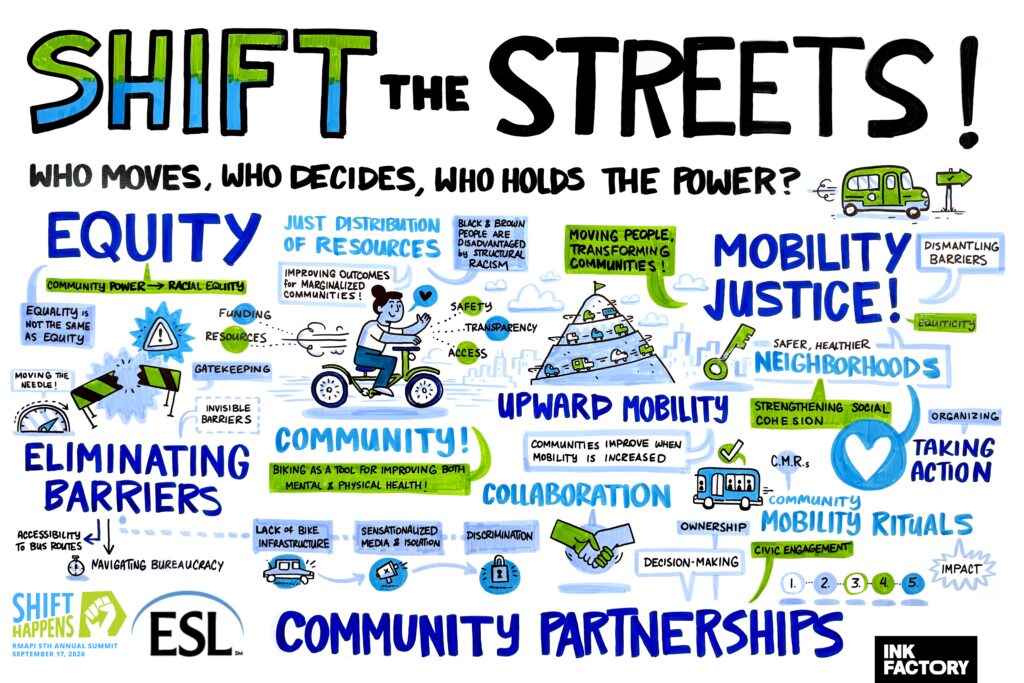
Shift the Streets: Who Moves, Who Decides, Who Holds the Power?
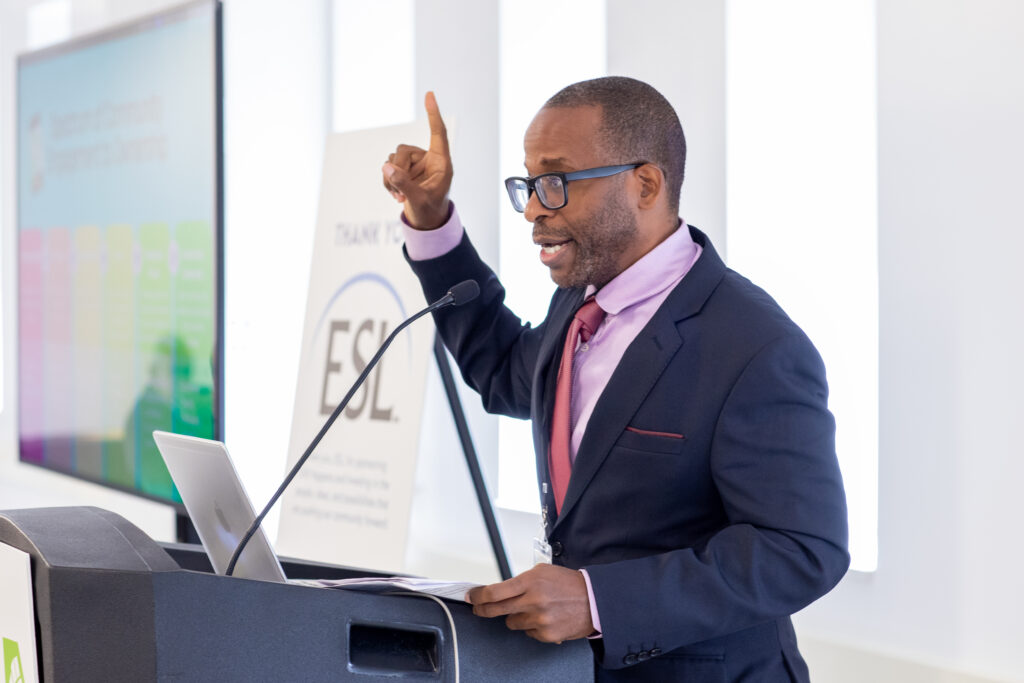
Olatunji Oboi Reed, founder and President & CEO of Equiticity, challenged participants to think about another essential dimension of mobility: the ability to move through our communities safely, affordably and with dignity.
Through the lens of mobility justice, Oboi Reed connected transportation to housing, health, economic opportunity, racial equity and community power. Where people can go — and whether they can get there safely and reliably — can shape access to jobs, education, health care, social connections and the opportunities that make upward mobility possible.
His message pushed participants to see transportation not simply as infrastructure, but as a system that can either expand or restrict opportunity.
Together, the Summit’s conversations demonstrated that upward mobility cannot be reduced to a single measure or solved through a single intervention. Building a community where everyone can thrive requires us to look at the systems and conditions that shape people’s ability to build wealth, access opportunity, participate fully in their communities and create better futures for themselves and their families.
Below are the visual notes of Olatunji Oboi Reed’s discussion created in real time by an InkFactory artist:
What Comes Next
Shift Happens was not intended to be a one-day conversation.
It was an invitation to keep questioning what is possible — and to turn new ways of thinking into collective action.
Across RMAPI’s working groups and broader coalition, those conversations will continue as we explore policies, practices and partnerships that can expand opportunity, strengthen financial security, build wealth and create opportunity-rich communities throughout Rochester and Monroe County.
Because shifting systems starts with shifting how we think about what is possible.
Shift happens. And what we do with that shift is up to all of us.
